History of IncludEd
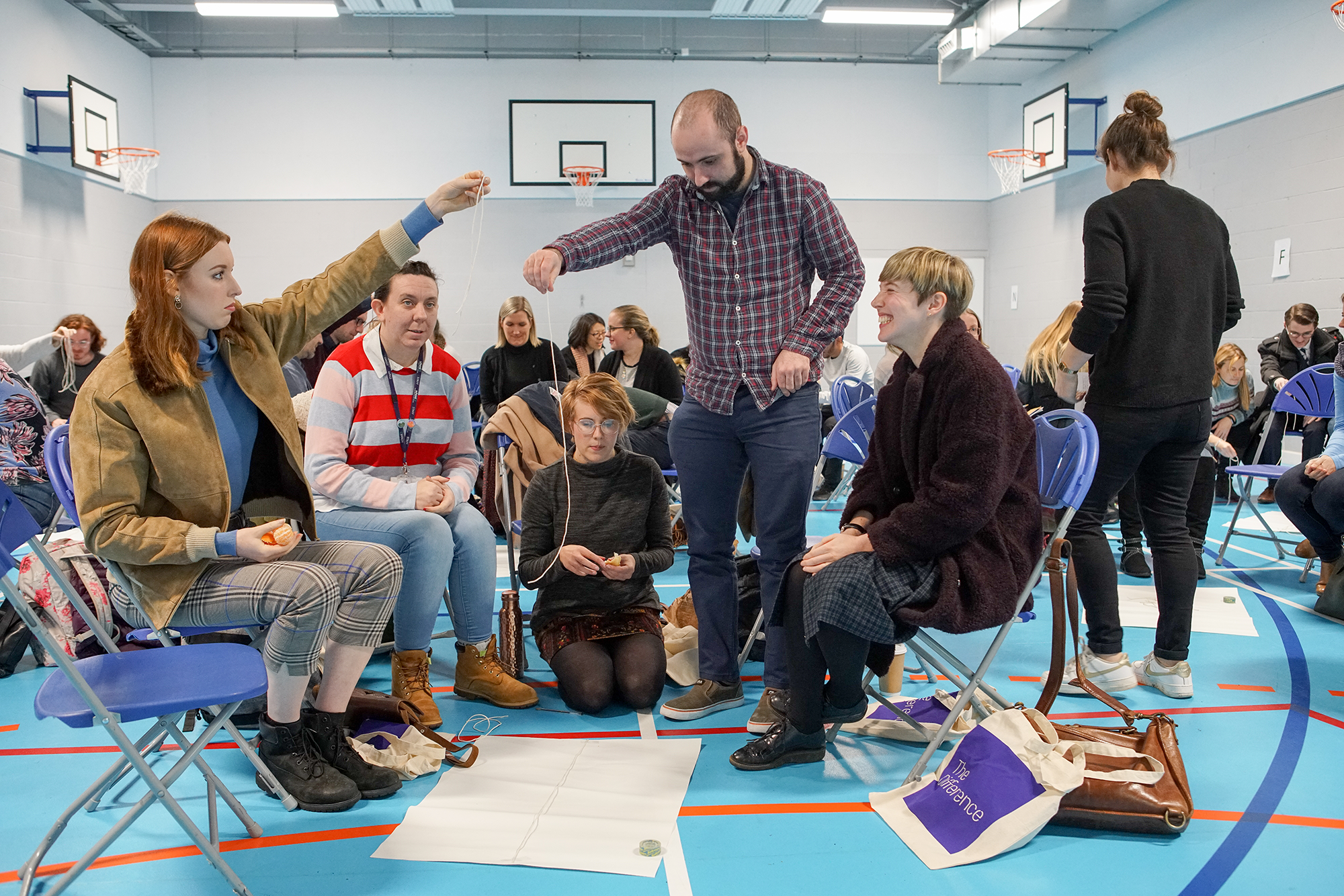
The first IncludEd took place in the school hall of Oasis Southbank in January 2019 with a clear mission: to address the growing issue of school exclusion. At that time, 41 pupils were being permanently excluded every day in England. Evidence showed that these children and young people were disproportionately affected by poverty, were seven times more likely to have special educational needs (SEN), and 20 times more likely to have had contact with social services.
-
2019
The beginning
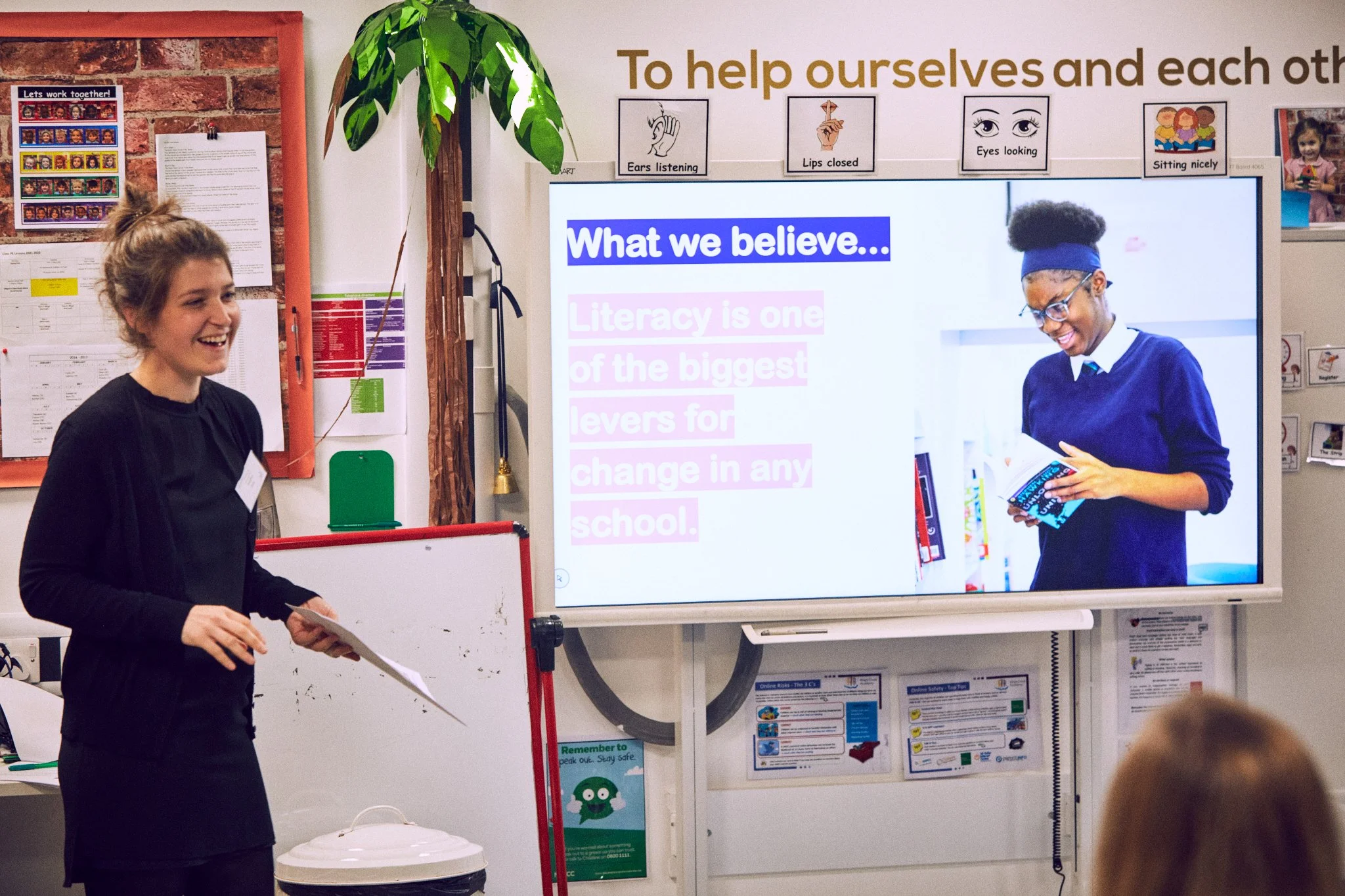
The inaugural event, hosted in a school hall with 170 delegates, provided a platform to discuss urgent issues, including literacy, trauma-informed practice, the role of teachers in reducing knife crime, risk factors for exclusion, vocational provision, working with families and the potential of the arts.
The conference also marked the launch of The Difference’s new flagship programme (The Difference Leadership Programme) designed to strengthen alternative provision (AP) and develop more expert leaders for mainstream schools.
At the time, AP faced significant challenges:
Teachers in AP were half as likely to be qualified and twice as likely to be temporary.
Between 2011 and 2016, SLT (senior leadership team) vacancies doubled in AP.
In one in two PRUs (Pupil Referral Units), leadership of assessment, data monitoring, and teaching & learning was identified as a key improvement priority.
The programme aimed to attract more high-quality teachers to the AP sector, with the long-term goal of developing a new generation of leaders. These leaders would not only reduce exclusion but also return to mainstream schools equipped with specialist expertise.
-
2021
Building sector-wide practice
The Difference’s second wave of work expanded beyond AP, focusing on the whole education sector. Its mission was to identify and share inclusive practices that improve outcomes for vulnerable learners and spread these practices widely among teachers.
By 2021, the organisation had grown from partnerships with 10 AP schools and 10 mainstream schools to a network of 150 school partners.
The IncludEd conference that year was shaped around answering some of the most pressing questions in education:
What do you teach a learner who is unlikely to pass the exam?
How do you improve the things Ofsted doesn’t routinely measure?
The quality of relationships between staff and students.
How schools collaborate with other services to keep pupils safe.
Whether pupils secure meaningful employment after school or fall into unemployment.
These questions framed a powerful agenda for improving equity, outcomes, and life chances for vulnerable children and young people.
-
2022–2023
Policy and system change
By 2023, the conference had entered its third wave, moving into policy development and research. The focus shifted to identifying the system-wide patterns that help or hinder schools in improving outcomes for their most vulnerable pupils. Guiding principles included:
Principle 1: We can better understand who is excluded.
Principle 2: We cannot identify every individual at risk, which is why a whole-school approach is essential.
The conference posed the central question: How do we build schools that work for the most vulnerable children?
Alongside this, the organisation launched leadership development opportunities through two flagship programmes:
DLP (Difference Leaders Programme)
ILC (Inclusive Leadership Course)
Delegates were encouraged to engage, connect, and share the work, both in person and across digital platforms.
-
2024–2025
Growing the community
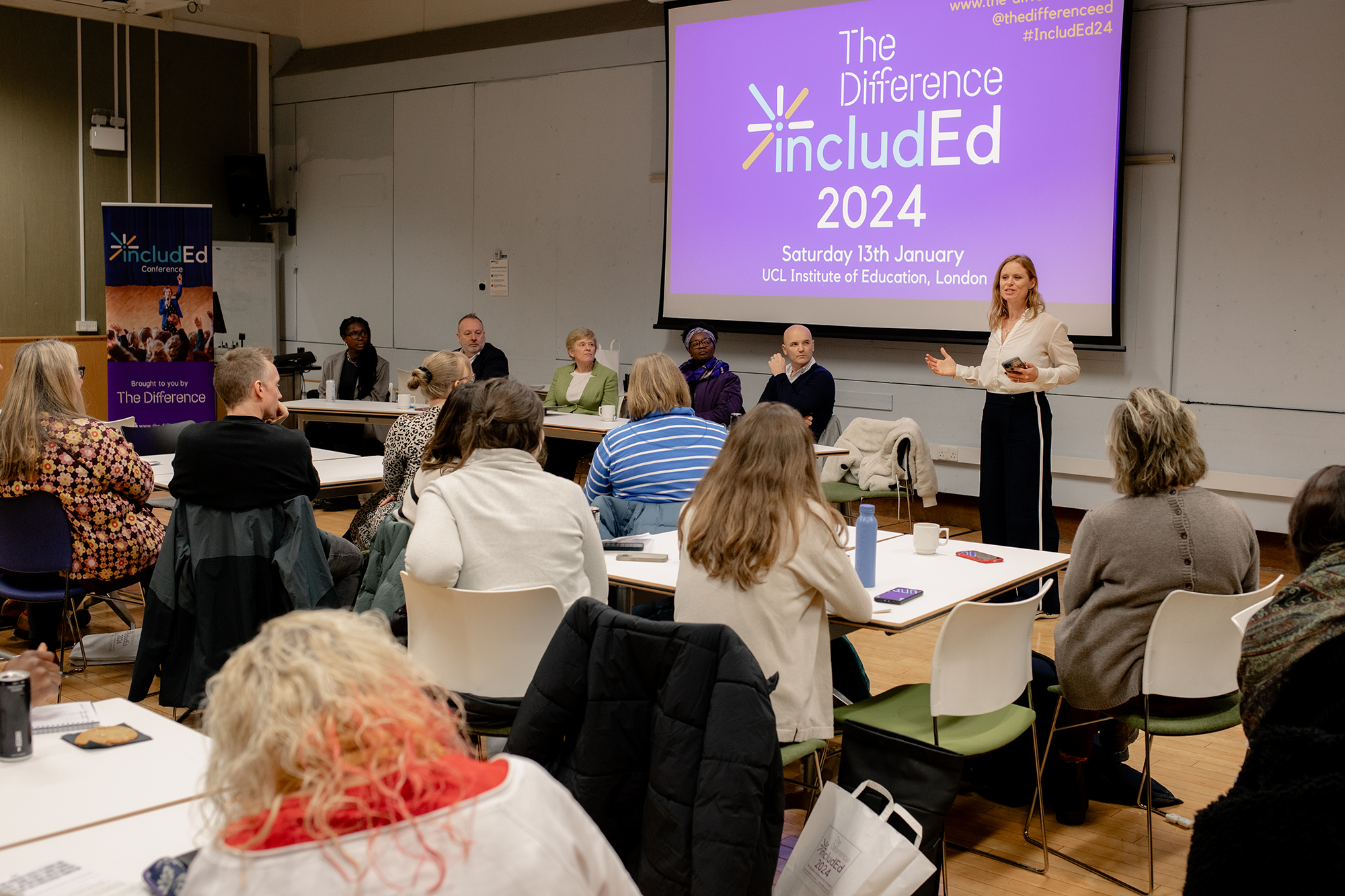
Content and community expand between conferences, with conversations picked up by Ofsted and the DfE.
-
2026
New growth for IncludEd
In 2026 the event marked its seventh instalment, with the aim of growing from 700 to 1,000 delegates.
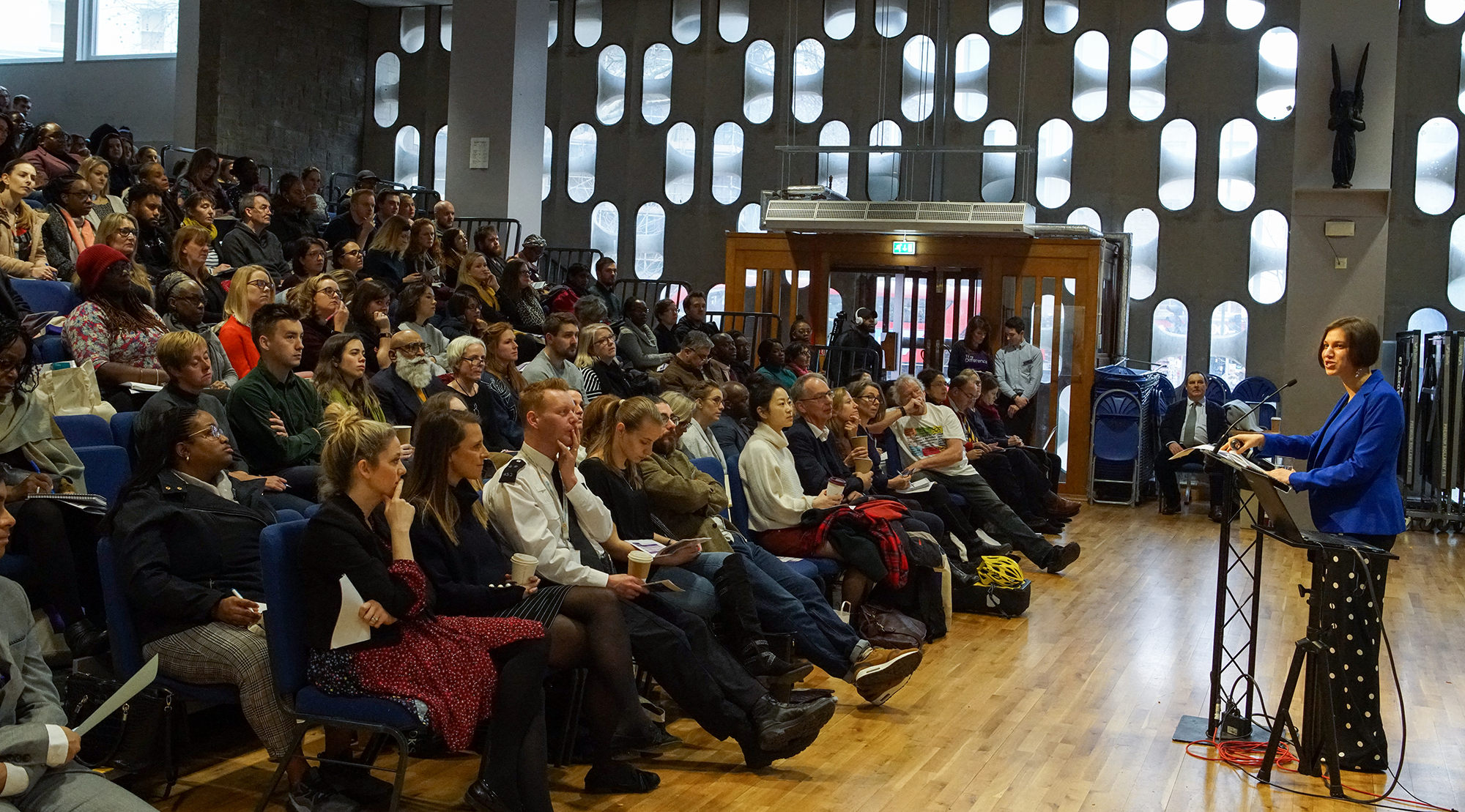
What began in a school hall with 170 delegates had grown into a national movement. The conference continued to champion inclusive practice, systemic change, and leadership development, all with one enduring purpose: to ensure schools work for every child, especially the most vulnerable.
The theme in 2026 was ‘How do we build inclusive schools?’
-
2027
Inclusion by design
The eighth edition, at a policy turning point: 39 workshops, 35 exhibitors, four strands and an expected 850 delegates.